REDD+ Training Courses
Background
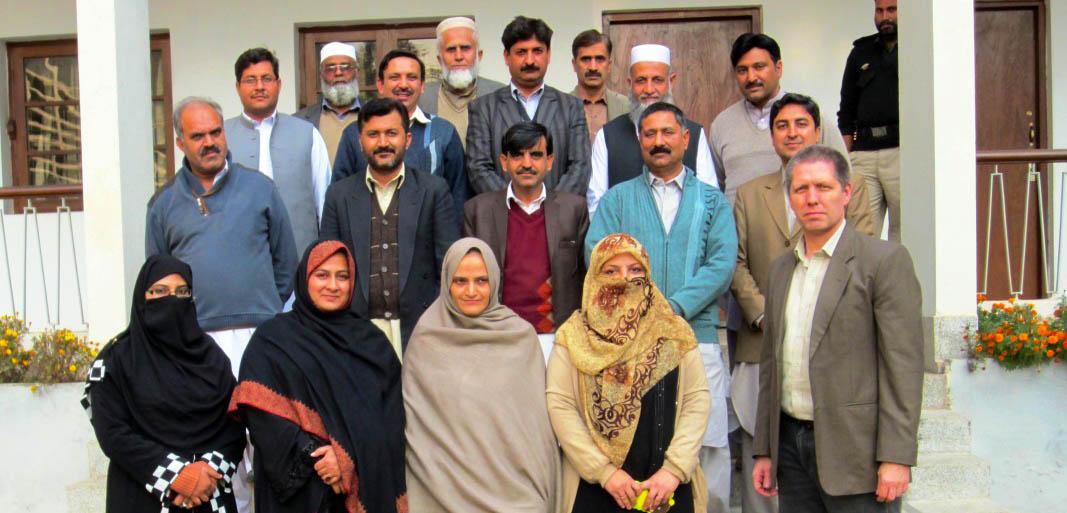
Pakistan’s forest resources are deteriorating both qualitatively and quantitatively. Between 2000 and 2005, the estimated annual deforestation rate was 2.1%. The Government of Pakistan and the provincial government of Khyber Pakhtunkhwa promote Reducing Emissions from Deforestation and Degradation (REDD+) for the preservation of forests through private sector led carbon sequestration and carbon credit generation. UNIQUE’s contribution was to organize and conduct a REDD+ training. The key objective of the REDD+ training was to familiarize the German Development Cooperation (GIZ) counterpart organizations in Khyber Pakhtunkhwa province with the opportunities and challenges to engage in REDD+ and to improve the understanding and capacities of key stakeholders for effective participation in REDD+ programs.
Our contribution
- Development of a REDD+ training concept and schedule.
- Training topics such as monitoring reporting and verification (MRV), benefit sharing, and safeguards.
- Recommendations to the Government of Khyber Pakhtunkhwa for a roadmap to develop REDD+.
Related projects
Explore projects related to this one.
- Related topic REDD+ Himalaya GIZ · Myanmar · 2016–2017 National forest authorities and forest user groups in the Hindu Kush Himalayan Region aim to effectively implement projects to reduce emissions from … View project
- Related topic REDD Readiness Preparation The World Bank · Nepal · 2011–2013 Nepal is one of the countries selected by the Forest Carbon Partnership Facility (FCPF) for the REDD Readiness Fund (Reducing Emissions from Deforestation … View project
- Related topic Agriculture Monitoring, Reporting and Verification The World Bank · Burkina Faso · 2021–2022 The largest share of Burkina Faso’s national greenhouse gas emissions occur in the agriculture, forestry and other land use sector. View project
- Related topic Training in Measurement, Reporting and Verification GIZ · Uganda · 2022–2023 The agricultural sector In Uganda is particularly exposed to the effects of climate change. View project